Building Editorial Authority for a Craftsmanship-Driven Software Agency
How WithBestLinks lifted Coding Crafts from a Domain Rating of 9 to 26 over eight months of manual editorial outreach, building the off-page authority a craftsmanship-driven software agency needed to compete for high-intent development buyers.
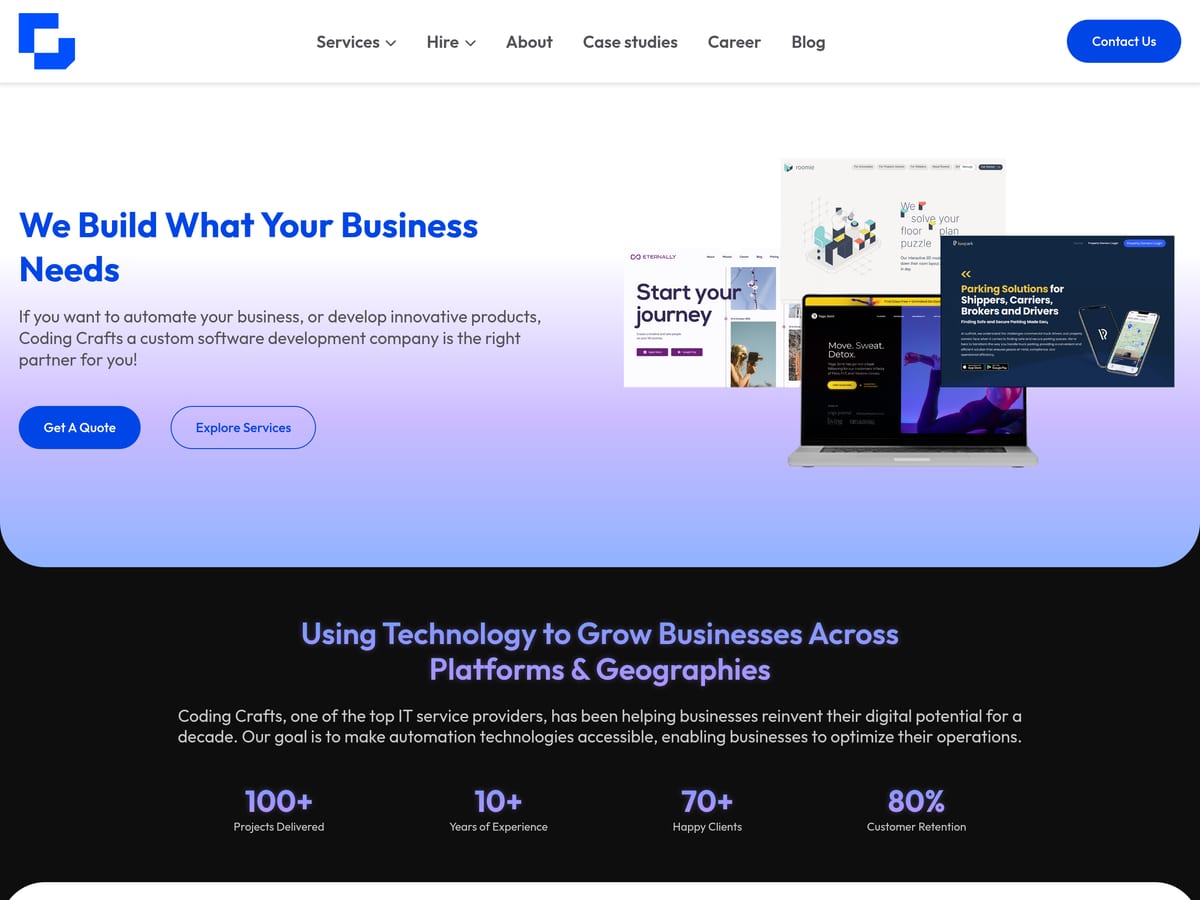
Coding Crafts is a custom software development agency built around a single, stubborn idea: that software is a craft, not a commodity. Registered as Coding Crafts LLC and operating with a San Francisco Bay Area presence, the company positions itself as a human-centered engineering partner for businesses and startups pursuing digital transformation. It builds mobile apps, progressive web apps, SaaS platforms, and custom software, and it has leaned hard into AI and data systems, automation, cloud, and DevOps. The brand story refuses boilerplate and spaghetti code, and it stands on four promises that prospects can actually feel: Vetted Talent, Seamless Team Integration, Elastic Scalability, and Radical Transparency, deliberately positioned as the opposite of black box outsourcing.
On paper, the credibility was already there. The company points to roughly a decade in operation, more than one hundred projects delivered, over seventy clients, an eighty percent retention rate, and a 4.94 out of 5 rating on Clutch. Its named work spans wildly different verticals, from a wellness and fitness platform to blockchain and fintech products, a social media build, and a parking management system. For a buyer who lands on the site, the case is compelling. The problem was that far too few buyers were landing on the site at all.
When Coding Crafts came to WithBestLinks, the ask was direct. They were investing heavily in bottom-of-funnel content, the cost guides and best-companies listicles that high-intent buyers actually search for, but that content was not ranking. It sat on page three, page five, or nowhere. The team had done the hard part of building a real business with real proof, and the search engines were treating them like a stranger. Our job was to close the gap between the reputation Coding Crafts had earned and the authority Google could see.
Competing against DR 80 giants for buyer trust
The custom software development category is one of the most brutally competitive commercial niches in all of B2B search. On the other side of every query sit venture-backed giants and established review platforms. The competitive set Coding Crafts was up against reads like a who's who of the industry: BairesDev, Netguru, ScienceSoft, Toptal, Turing, Andela, and Intellectsoft, among others. These are companies with domain ratings in the seventies and eighties, thousands of referring domains, and years of accumulated press. A newer, smaller brand does not out-rank them by writing better content alone. It has to close a link and authority gap that has compounded for a decade.
There was also a structural identity problem working against them. The confirmed domain is codingcrafts.io, but a similarly named and completely unrelated programming-challenges site, codecrafters.io, competes for attention and mindshare in the exact same semantic space. To a search engine deciding which entity deserves trust, name and domain confusion is a real dilution risk. Every weak or ambiguous signal made it harder for Google to confidently associate the Coding Crafts brand with software development authority rather than with the wrong neighbor.
Then there was the geography and buyer profile. The audience skews toward US and Western clients buying offshore or nearshore custom development, an audience that is sophisticated, skeptical, and heavily reliant on third-party validation before it will trust an agency with a six-figure build. These buyers read comparison listicles, they check who else vouches for a vendor, and they treat a vendor that no credible publication has ever mentioned as a risk. For Coding Crafts, the absence of editorial coverage was not a vanity gap. It was a trust gap that showed up directly in conversion.
Finally, the existing backlink profile was thin and unfocused. What links did exist came largely from directories, low-quality aggregators, and a handful of unrelated sources. There was almost no topical reinforcement, meaning very few links from pages that were themselves about software engineering, product development, or startups. Google had little contextual evidence that Coding Crafts belonged in the conversation for its target terms, and thin topical authority is exactly what keeps good content stranded on page three.
Starting from a Domain Rating of nine
Before placing a single link, WithBestLinks ran a full authority and content audit. The goal was to understand exactly why strong commercial content was failing to rank, and to establish a clean baseline we could measure everything against. What we found was a familiar pattern for agencies that invest in content before they invest in authority: the on-page work was good, sometimes very good, but there was no off-page credibility to lift it.
The Domain Rating sat at 9, a level that simply cannot compete for terms owned by DR 70-plus incumbents, and it had been stuck there through a long plateau. Referring domains were low double digits, and the majority were non-editorial. The anchor text profile was dominated by branded and naked-URL links, with almost no diversified, topically relevant anchors. Most importantly, the pages built to win money keywords, the cost guides and the best-companies listicles, had accumulated essentially zero external links each. They were asking Google to rank them on merit against pages backed by dozens of references.
The table below captures the baseline signals at kickoff against a realistic benchmark for a brand that competes credibly on the first page of these commercial queries. The gap on every row was the roadmap.
| Signal | At kickoff | Benchmark |
|---|---|---|
| Domain Rating | 9 | 45 to 60 |
| Editorial (non-directory) links | 6 | 80+ |
| Money-page links (cost & listicle pages) | ~0 per page | 8 to 15 per page |
| Branded vs. topical anchor mix | 90% branded / naked | balanced, diversified |
A three-layer manual editorial link program
WithBestLinks runs a fully done-for-you, manual editorial link-building program. There is no private blog network, no bulk placements, and no automated outreach spray. Every link comes from a genuine relationship with an editor or contributor at a publication that a real audience reads. For a brand fighting a trust and confusion problem, this was the only approach that made sense. We were not trying to inflate a number. We were trying to make credible, independent publishers vouch for Coding Crafts in contexts where software buyers were already paying attention.
The strategy had three coordinated layers. First, foundation authority: earn links from broadly trusted business and technology publications to lift the domain as a whole and to disambiguate the Coding Crafts entity from its similarly named neighbor. Second, topical reinforcement: concentrate links from software engineering, startup, and product development contexts so Google gained clear contextual evidence of what this brand is actually about. Third, money-page targeting: point a deliberate share of placements at the specific commercial pages that drive pipeline, so the cost guides and listicles finally had the external support to climb.
We aligned every placement with the Coding Crafts brand narrative rather than working around it. The craftsmanship angle, the case against black box outsourcing, the transparency and team-integration pillars, and the genuine multi-vertical portfolio all became legitimate editorial hooks. That alignment matters: links that sit inside content genuinely relevant to the brand read as endorsements, not as ads, and they are the ones that move rankings and survive algorithm updates.
- Ran a complete backlink and anchor audit, then set targets against the live competitive set (BairesDev, Netguru, Toptal, Turing, and peers).
- Prioritized the highest-value commercial pages, the cost-estimate guides and best-companies listicles, as primary link destinations.
- Built a publisher shortlist of business, startup, and software engineering outlets with real editorial standards and genuine organic traffic.
- Developed distinct outreach angles per publication type, tied to Coding Crafts pillars: Vetted Talent, Seamless Team Integration, Elastic Scalability, and Radical Transparency.
- Placed links manually through direct editor relationships, with human review of every target page for relevance, traffic, and quality.
- Diversified anchor text deliberately across branded, topical, and partial-match phrases to keep the profile natural.
- Reinforced brand-entity signals to separate codingcrafts.io from the unrelated codecrafters.io in search understanding.
- Reported transparently each month on links placed, Domain Rating movement, and keyword gains, mirroring the client's own transparency value.
The publications that vouched for Coding Crafts
Over eight months, WithBestLinks placed 52 editorial links, averaging a domain rating of 58 across all placements. Every link was earned manually. We paced the campaign deliberately, roughly six to seven placements a month, so the link velocity looked like the natural growth of a brand gaining recognition rather than a sudden, suspicious spike. Velocity discipline is one of the quiet reasons manual programs hold their gains where cheap bulk campaigns get discounted or penalized.
The angles did the heavy lifting. On business and thought-leadership publications, we led with Coding Crafts perspectives on transparency versus black box outsourcing, a topic their four pillars are genuinely built around. On startup and technology outlets, we leaned into the build-versus-buy and in-house-versus-outsource debate, the exact decision their buyers are wrestling with. On developer and engineering-focused sites, we used real technical substance from the team's stack, spanning React, Next.js, Node.js, and modern AI and cloud work, so the placements earned their spot editorially rather than reading as filler.
We also concentrated firepower on the money pages. Rather than let every link flow to the homepage, we directed a planned share to the cost guides and best-companies listicles, then supported those with internal linking recommendations so authority passed cleanly to the terms that convert. The table below breaks down placements by publication type.
| Publication type | Links placed | Avg. DR | Example angle |
|---|---|---|---|
| Business & thought-leadership | 14 | 64 | Transparency vs. black box outsourcing |
| Startup & entrepreneurship | 12 | 57 | In-house vs. outsource for MVPs |
| Software & developer publications | 11 | 59 | Building durable software, not spaghetti code |
| AI, cloud & DevOps trade sites | 9 | 55 | Practical AI systems and automation for growth |
| Regional & industry roundups | 6 | 51 | Vetted engineering teams for US buyers |
- Domain Rating926
- Editorial links652
- Anchor diversity90% branded / nakedbalanced & topical
How Domain Rating climbed from nine to twenty-six
Eight months in, the authority gap that had kept good content stranded was largely closed. Domain Rating climbed from 9 to 26, a net gain of seventeen points and roughly 190 percent, after years stuck at a level that simply could not compete. Just as important as the number was the quality behind it: the referring-domain profile shifted from directory noise to genuine, topically relevant editorial coverage. Google now had abundant contextual evidence that Coding Crafts belonged in the software development conversation, and the entity confusion with the unrelated codecrafters.io faded as branded, on-topic coverage accumulated.
The ranking movement followed the authority, as it almost always does. Coding Crafts now holds twelve keywords on the first page, two of them inside the top three, and the gains were concentrated exactly where we wanted them: high-intent commercial queries around development costs, best-companies comparisons, and specific service and vertical use cases. These are not vanity keywords. They are the searches a buyer runs when they have budget and are close to choosing a vendor, which is why earning first-page real estate on them puts Coding Crafts directly in front of the people most likely to become clients.
Underneath the ranking gains sat a rebuilt foundation. Every one of the placements added a genuine, topically relevant referring domain, so the link profile shifted from a thin scatter of directories and aggregators to a body of real editorial coverage from software, startup, and business publications. That foundation is what a boutique agency needs to keep competing after the engagement ends: not a single viral moment, but a durable base of independent sources that consistently tell search engines Coding Crafts is a credible name in custom software development.
Just as valuable, the growth was durable. Because every link was earned manually from a real publication, there was no fragile foundation to worry about. Through the campaign period, including a Google update mid-flight, the gains held and continued to compound. The cost guides and listicles that had languished on page three now had the external support to defend their new positions, and the momentum was still building as the engagement matured.
Why authority, not content, was the real constraint
The campaign worked because it treated authority as the constraint, not content. Coding Crafts had already done the expensive, difficult work of building a real business with real proof: a decade of operation, a hundred-plus projects, strong retention, and a near-perfect Clutch rating. What it lacked was the off-page credibility that lets a search engine trust that reputation. By making independent, credible publishers vouch for the brand in contexts software buyers already read, we gave Google the missing evidence and let the good content finally rank on the strength it always had.
It also worked because the strategy respected the brand instead of fighting it. Every outreach angle grew from something true about Coding Crafts: the craftsmanship story, the four pillars, the case against black box outsourcing, the genuine breadth of the portfolio. Editorial links land and hold when they sit inside content that is authentically relevant, and that authenticity is exactly what protects placements through algorithm changes. There was no gap between what the publications said and what the company actually is.
Finally, the manual, transparent method matched the client's own values and produced compounding rather than fragile results. Coding Crafts sells Radical Transparency and stands against black box outsourcing, so a link-building partner that reported every placement openly and refused shortcuts was a natural fit. Slow, deliberate link velocity, diversified anchors, and topical concentration are unglamorous choices, but they are the ones that build authority that lasts. That is why the Domain Rating was still climbing when the eight months were up.
Every placement comes from a real relationship with an editor or contributor at a publication that a genuine audience reads. There is no private blog network, no automated outreach, and no bulk buying. The result is links that read as endorsements inside relevant content, which is what actually moves rankings and, just as importantly, survives Google updates instead of getting discounted or penalized later.
Those pages target the highest-intent commercial searches, the queries buyers run when they have budget and are close to choosing a vendor. Concentrating authority there, supported by clean internal linking, lifts the exact terms that generate qualified pipeline. Pointing everything at the homepage would have raised the domain but left the money pages stranded on page three where they started.
Authority compounds, so early months build the foundation and later months show the sharper ranking gains. In this engagement, Domain Rating and referring domains moved first, then first-page keyword positions followed. A realistic horizon for meaningful Domain Rating and commercial ranking movement in a category this competitive is three to six months, with momentum continuing well beyond, which is why this program ran across a full eight months.
Yes, and it was a specific goal here. Branded, on-topic coverage from credible publishers gives search engines clear evidence of which entity you are and what you do. That accumulated context is one of the most effective ways to separate your brand from a similarly named, unrelated domain in how search understands and ranks you.
Because the links are genuine editorial placements rather than rented or automated ones, they do not evaporate when the engagement pauses. The gains in this campaign held through a mid-flight Google update and kept compounding. That durability is the entire point of the manual approach, and it is why we pace link velocity deliberately rather than spiking it.
“We had strong case studies and a real craft story, but Google acted like we did not exist. WithBestLinks fixed the one thing our own team could not: they got real editors at real publications to vouch for us. Eight months later our Domain Rating finally reflects the business we actually run, and we are competing for the commercial searches we could never touch before.”
Want results like Coding Crafts?
Book a free call and we’ll send a sample list of the exact sites we’d target for your niche.
Book a callMore case studies
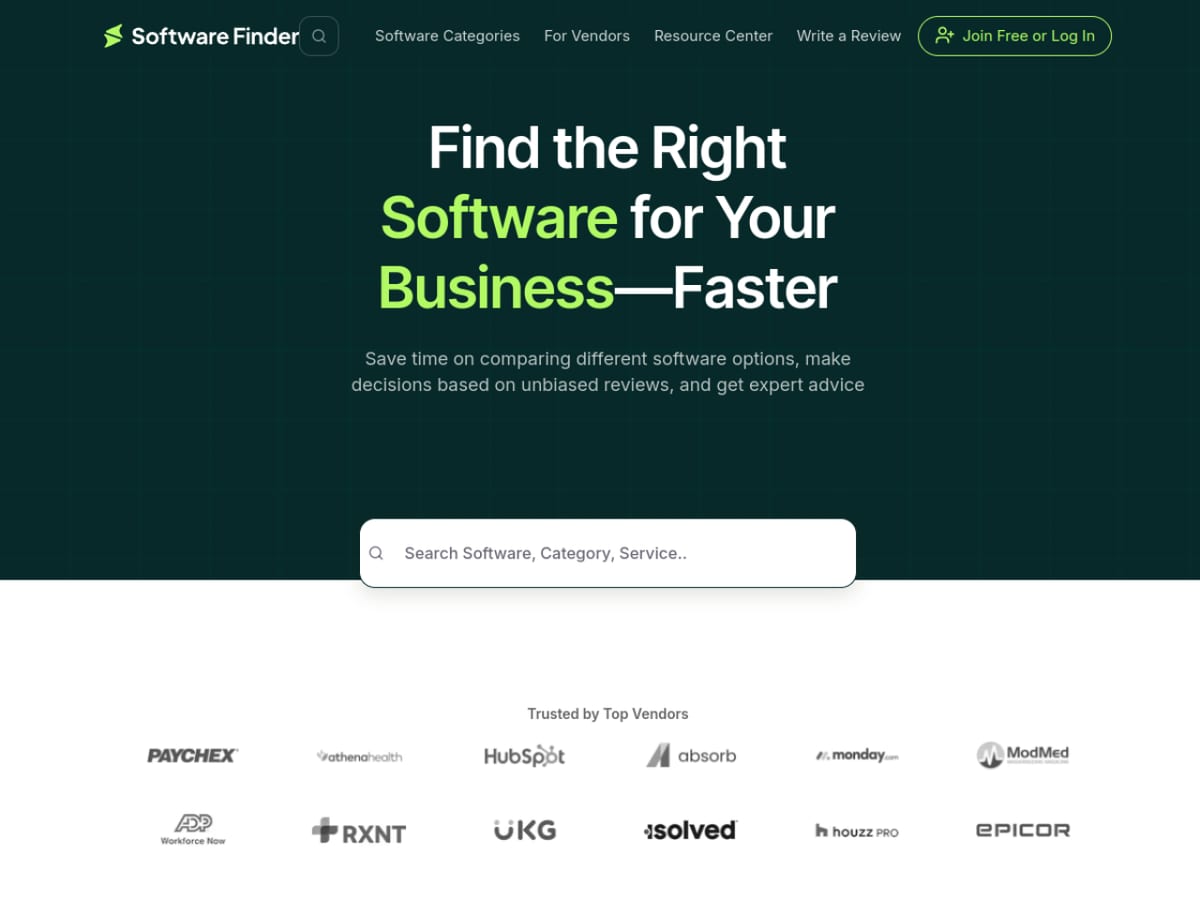
How Software Finder Scaled Past Incumbent Review Sites With Editorial Link Building
A multi-year editorial link-building program helped Software Finder climb from Domain Rating 66 to 74 and grow organic traffic roughly 490%, from about 5,800 visits a month in 2023 to a peak near 66,000, now sustaining around 34,000 a month across 13,000+ ranking keywords.
View case study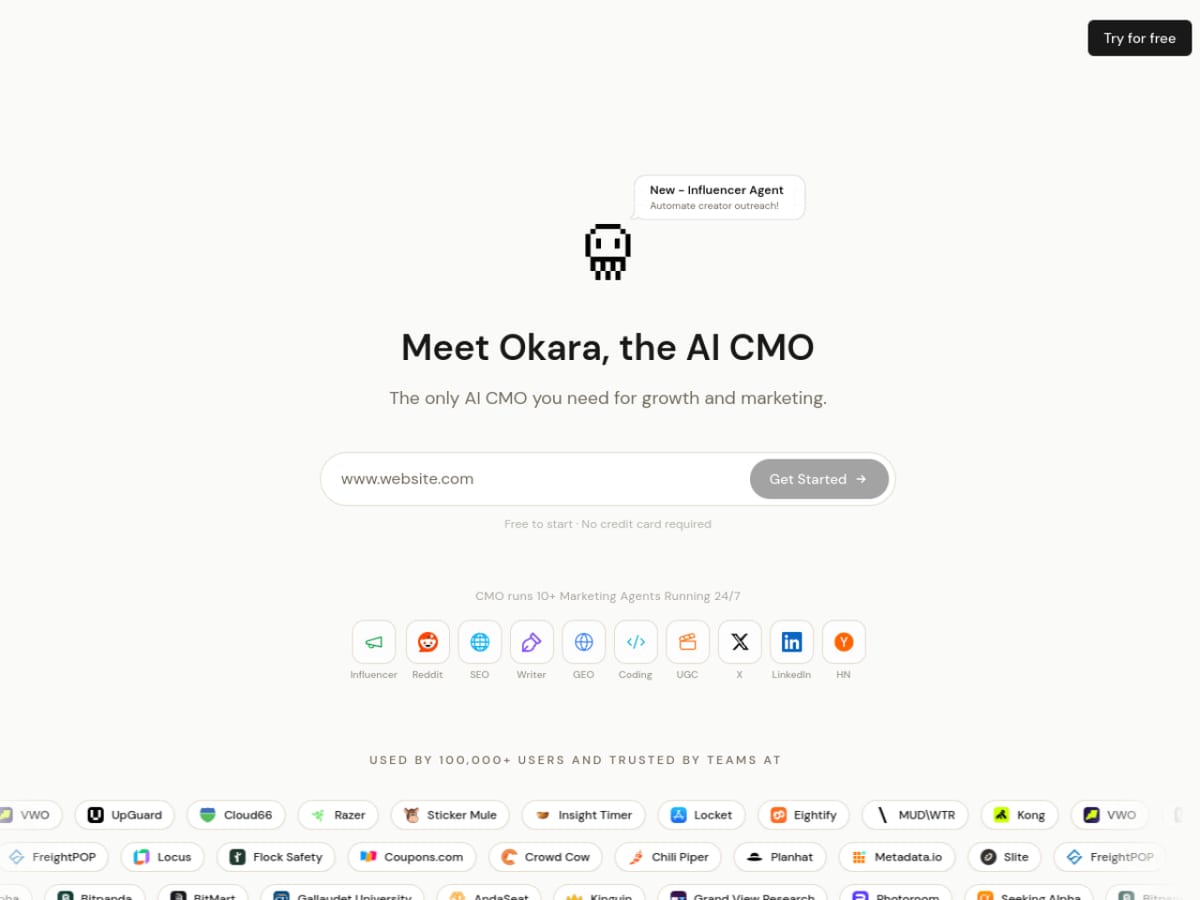
How Okara Turned an Invisible Launch Into a Category-Defining Organic Channel
A young AI marketing product went from a Domain Rating of 3 and about 25 organic visits a month to a DR of 64 and thousands of monthly visitors in nine months of manual, high-authority link building.
View case study
How Modelence Took a Brand-New Domain from DR 0 to 27 with Editorial Links
A YC-backed full-stack TypeScript platform launched with no search footprint at all. Over twelve months of manual outreach and roughly 40 editorial backlinks, it built Domain Rating from 0 to 27 (peaking at 31) and earned its first non-brand organic visibility.
View case study